ZONE:
3
COLOUR:
Green
HEIGHT:
18-22 m
SPREAD:
13-18 m

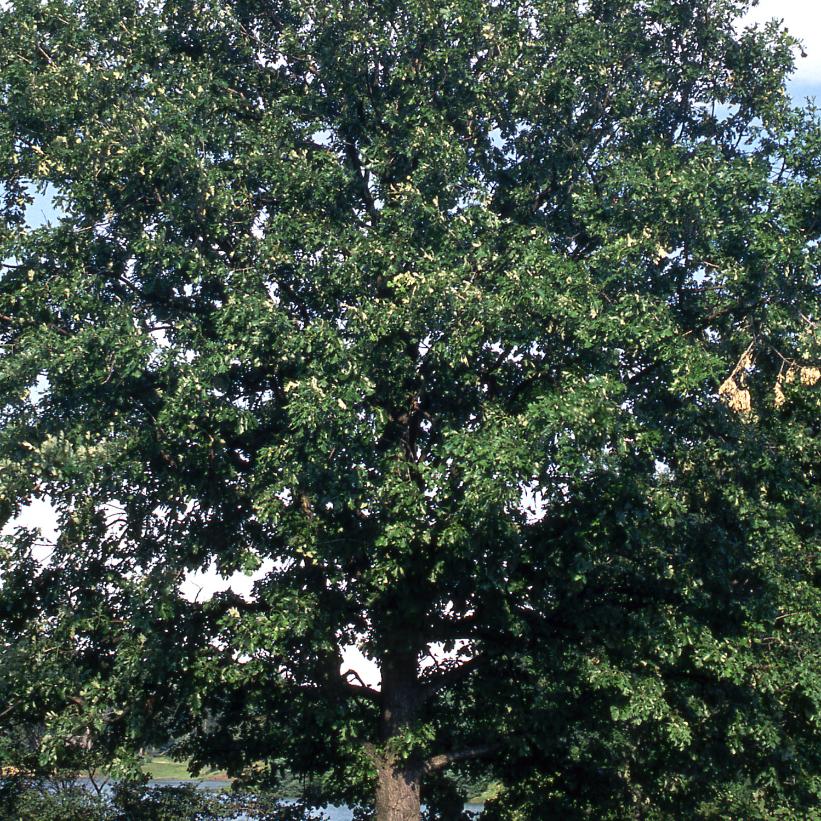 Quercus macrocarpa - Burr Oak
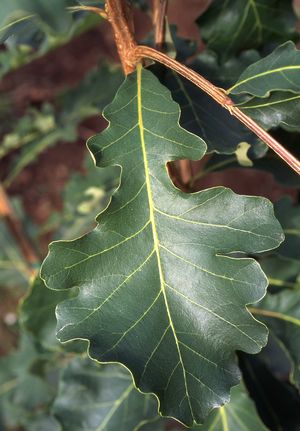 Quercus macrocarpa - Burr Oak
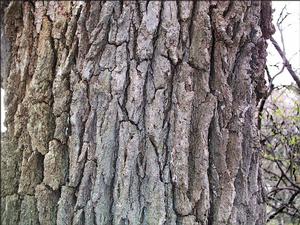 Quercus macrocarpa - Burr Oak
ZONE:
3
COLOUR:
Green
HEIGHT:
18-22 m
SPREAD:
13-18 m
A slow-growing large specimen shade tree at maturity, this oak needs a large space in which to grow.
Do not prune Oaks during the growing season. Oaks are highly susceptible to Oak Wilt, which is spread by a sap beetle that is attracted to fresh wounds. Prune oaks only during the dormant season in winter after the leaves have fallen. Oak Wilt can kill a mature Oak within one season.
Native to Ontario and other parts of North America. Biodiversity Giant.
Larval and foliar host for hundreds of species of insects! While they are wind-pollinated, the flowers provide early-season pollen for various pollinators. Bur Oak acorns are sweeter than Red Oak acorns, so a preferred food for wild turkeys, jays, wild ducks, grouse, and of course, squirrels and chipmunks. When desperate, deer and rabbits will browse the young twigs. The corky bark provides cover for many insects and spiders, which attract and feed even more birds.




