ZONE:
4
COLOUR:
Lime-green
HEIGHT:
22-25 m
SPREAD:
15-17 m

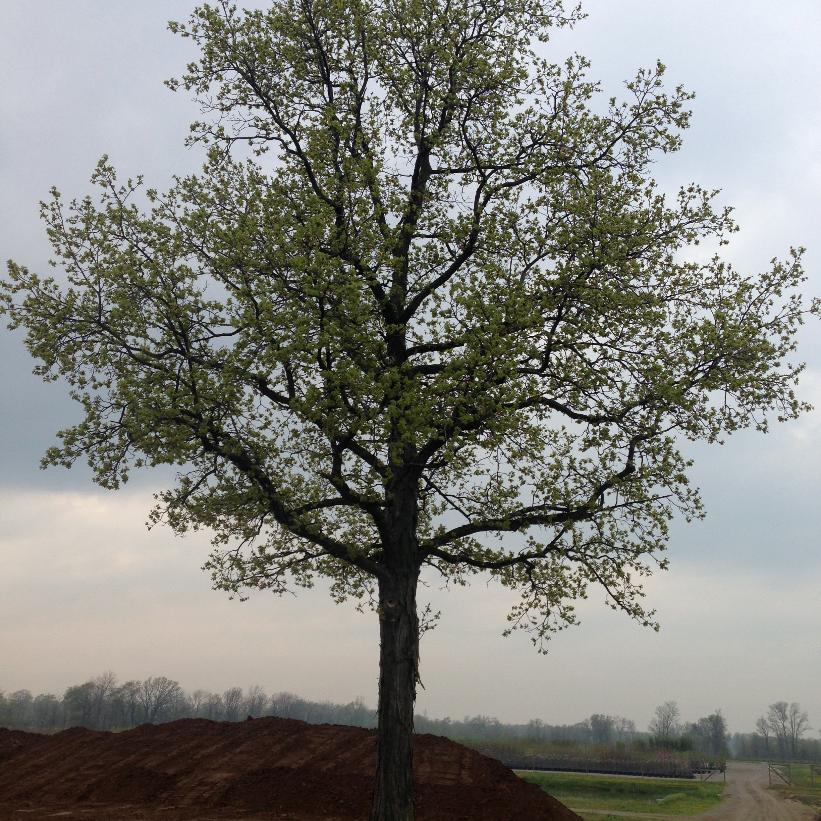 Carya ovata - Shagbark Hickory
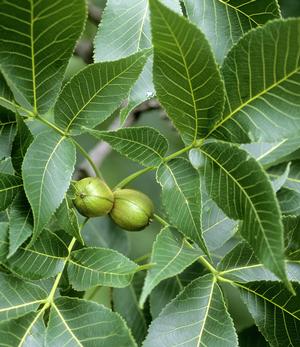 Carya ovata - Shagbark Hickory
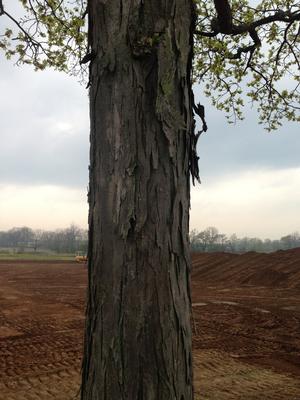 Carya ovata - Shagbark Hickory
ZONE:
4
COLOUR:
Lime-green
HEIGHT:
22-25 m
SPREAD:
15-17 m
Shagbark hickory can become a large tree, needing ample space. Once considered hard to transplant. Newer nursery practices are changing this concept.
Nuts were an important food source for Native Americans and early settlers and are commercially sold today. Cross-pollination generally produces a more abundant crop of quality nuts. Hickory wood, an excellent fuel source, is often used to cure or smoke meats. Extremely hard, the wood is used to make a variety of products, including tool handles, ladders, and furniture. The nuts, edible for human beings, are sweeter than walnuts, but hard to grow commercially.
Larval host to more than 150 moths including Luna Moth and Regal Moth; and butterflies, including Banded Hairstreak and at least one specialist, Hickory Hairstreak.
The shaggy bark provides nesting cover and habitat for overwintering insects; although they are wind-pollinated, the flowers provide pollen for bees; and the nuts provide high-fat food for everything from bears to mice and bats to turkeys.




