Also called Cherry Birch
ZONE:
3
COLOUR:
Green
HEIGHT:
13-18 m
SPREAD:
11-15 m

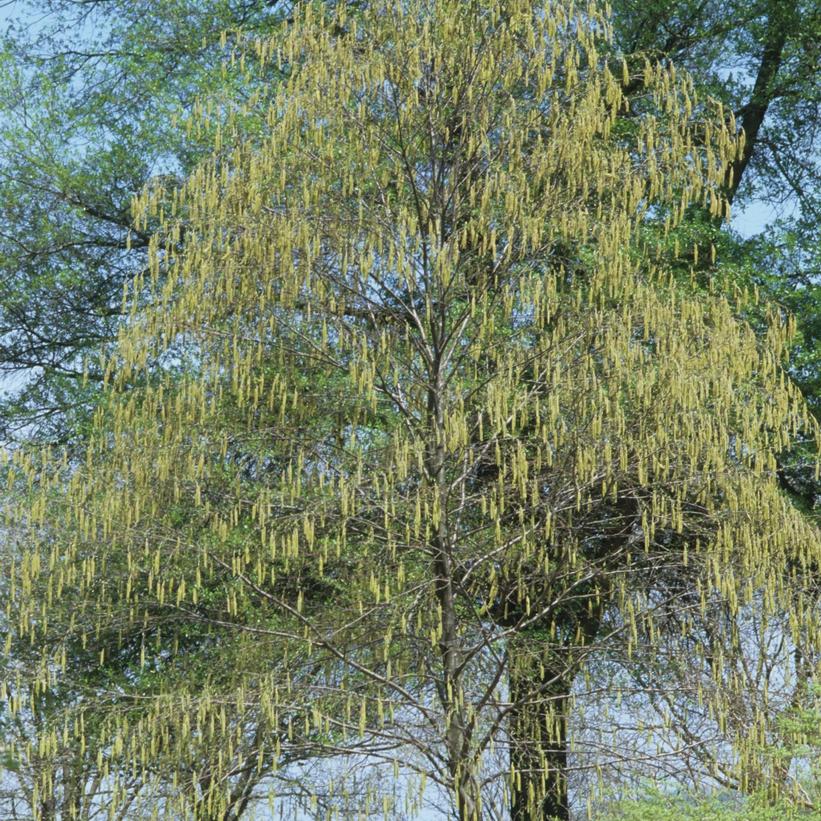 Betula lenta - Sweet Birch
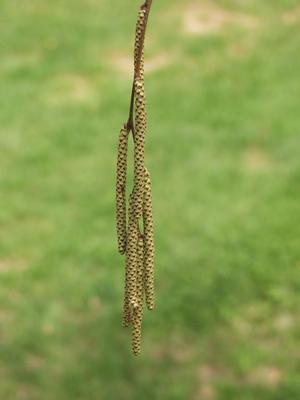 Betula lenta - Sweet Birch
Also called Cherry Birch
ZONE:
3
COLOUR:
Green
HEIGHT:
13-18 m
SPREAD:
11-15 m
Plant in a fertile, moist, well-drained soil that is slightly acidic. Will tolerate rocky, dry sites, however hot, dry locations should be avoided. They grow best with cool roots. Underplant with a ground cover or mulch well, taking care to not allow the mulch to touch the stem.
Cherry birch is also variously called black birch for its glossy dark bark, and sweet birch for its wintergreen-smelling twigs. Saplings of this tree are often among the earliest colonizers of newly logged ground in southern New England. Once the source of birch beer and oil of wintergreen (methyl salicylate, a preservative and medicinal rub), this tree is now used primarily as a shade tree and occasional source of dark wood which is difficult to work, but ages to a deep finish reminiscent of mahogany.
Larval host for Dreamy Duskywing, Mourning Cloak, Green Comma, Eastern Tiger Swallowtail, and White Admiral Butterflies. Seeds feed many songbirds and small mammals. In the wild, various mammals browse the leaves, however, deer leave it alone.




